VINTAGE GREEN CHRISTMAS: A Designer's Review for Holiday Stitching
As we approach the peak season for holiday crafting, finding the right machine embroidery design can make or break a collection. I recently spent some time evaluating VINTAGE GREEN CHRISTMAS, a piece categorized under Illustrations, to see if it holds up under the scrutiny of real-world production. For those of us running small shops or creating personalized gifts, aesthetic appeal is only half the battle; the design must also translate flawlessly into thread. My goal here is to cut through the marketing fluff and offer a practical assessment of how this design performs on actual fabric, from tote bags to boutique apparel.
First Impressions and Visual Personality
The moment you load VINTAGE GREEN CHRISTMAS into your digitizing software, the mood is immediately apparent. It captures that specific, nostalgic feeling of a traditional Christmas without leaning too heavily into cliché. The layout suggests a balanced composition, likely relying on a mix of fill stitch for solid areas and satin stitch for defining edges. As an illustration-style piece, it promises a certain level of detail that mimics hand-drawn art, which is currently very popular among Etsy sellers and creative entrepreneurs looking to differentiate their products.
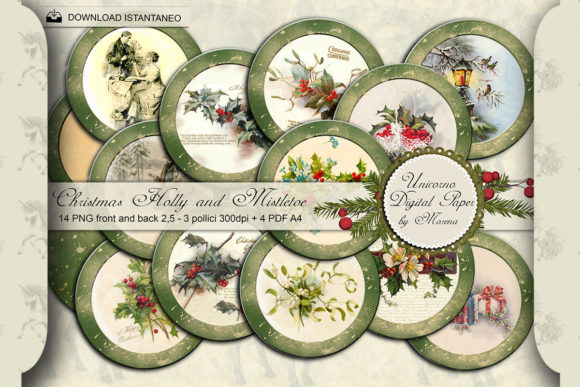
The color palette implied by the title suggests a reliance on deep, rich greens, potentially accented with reds, golds, or creams. This creates a sophisticated look that works well beyond just children's items. When visualizing the finished product, I imagine this design adding a touch of elegance rather than cartoonish whimsy. It feels at home on high-quality linen tea towels or a structured canvas tote, where the "vintage" aspect can shine through the texture of the material.
Real-World Application Scenarios
To truly test the viability of VINTAGE GREEN CHRISTMAS, let's consider a specific project: a custom embroidered sweatshirt for a boutique clothing line. Sweatshirts are tricky; the fabric is often thick, fuzzy, and stretchy. If this design has high stitch density, it could cause the fabric to pucker or become stiff and uncomfortable against the skin. However, if the digitizer has accounted for the fabric type, the result could be stunning. The vintage theme pairs perfectly with the current trend of oversized, retro-style holiday loungewear.
Another strong candidate for this embroidery project is the classic kitchen towel or apron. These items usually feature tighter weaves like cotton twill or linen, which provide an excellent foundation for detailed illustrations. Here, the design's clarity would be paramount. Customers buying these as personalized gifts expect crisp lines and clean color transitions. If VINTAGE GREEN CHRISTMAS utilizes effective underlay stitching, it will sit flat and smooth, enhancing the perceived value of the item. For an Etsy seller, listing a set of matching towels with this design could be a significant revenue driver during Q4.
I also see potential for this design in the realm of embroidered patches. If scaled correctly and backed with a sturdy cut-away stabilizer, this illustration could become a collectible iron-on or sew-on patch. Patches allow makers to sell design assets in a physical form without committing to large garment inventories. The vintage green theme fits seamlessly into the "cottagecore" and rustic aesthetics that dominate current craft fair trends.
Technical Considerations and Fabric Compatibility
While the visual appeal is strong, we must address the technical challenges. Any design labeled as an "illustration" often contains fine details that can get lost if the hoop size is too small or if the resolution isn't optimized for the machine. Before stitching VINTAGE GREEN CHRISTMAS on a client's expensive cashmere blend or a delicate baby onesie, it is crucial to run a test on scrap fabric of similar weight and texture.
Particular attention should be paid to how the design handles thread colors. If the design relies on subtle shading achieved through many color changes, it might increase production time significantly, which impacts profit margins for commercial embroidery jobs. Conversely, if it uses long runs of satin stitch, you need to ensure the thread tension is perfect to avoid bird nesting, especially on curved surfaces like caps or hats. Speaking of caps, the curvature of a front panel can distort wide designs. If VINTAGE GREEN CHRISTMAS has a wide horizontal spread, it might require careful positioning or even slight re-digitizing to fit a standard cap frame without distortion.
Darker fabrics present another variable. If you are stitching this onto a navy or black garment, the green tones might blend in too much unless there is a sufficient outline or contrasting underlay. Always check how the design looks in a black-and-white mockup first to gauge contrast levels. Additionally, for items that will undergo frequent washing, such as custom apparel or baby clothes, verify that the stitch count isn't so dense that it creates a hard, plastic-like feel on the back of the fabric, which can irritate sensitive skin.
Enhancing Brand Value and Customer Trust
Using a high-quality design like VINTAGE GREEN CHRISTMAS directly influences customer trust. In the world of handmade products, consistency is key. If you are building a brand around rustic holiday decor, this design reinforces that identity. A sloppy stitch-out can damage a reputation instantly, but a clean, professional execution of a charming illustration builds loyalty. Buyers are willing to pay a premium for items that look professionally finished rather than homemade in a hurried manner.
For those creating printable mockups for digital listings, the distinct style of this illustration offers great versatility. It photographs well, providing clear definition even in thumbnail images on mobile devices. This visual clarity drives click-through rates and engagement. Whether you are selling the physical handmade product or offering a service to embroider customer-supplied goods, the professionalism of the final stitch-out reflects directly on your business acumen.
Final Verdict and Designer Notes
VINTAGE GREEN CHRISTMAS appears to be a versatile asset for the holiday season, bridging the gap between traditional charm and modern application. However, success lies in the preparation. Here are my top recommendations before you commit to a full production run:
- Test First: Always stitch a sample on the exact fabric you intend to use. Check for puckering, registration issues, and thread breaks.
- Stabilizer Selection: Match your stabilizer to the fabric. Use cut-away for stretchy knits like sweatshirts and tear-away for stable wovens like towels.
- Check Licensing: Before selling finished items or digital files, confirm the license terms associated with the embroidery file. Some designers restrict commercial use or require attribution.
- Review Details: Zoom in on small corners and text (if any) to ensure they are not too fine for your machine's needle size.
- Contrast Check: Ensure the green tones pop against your chosen fabric background. Consider adding a light underlay if stitching on dark materials.
In conclusion, VINTAGE GREEN CHRISTMAS has the potential to be a standout piece in your holiday catalog. By approaching it with a critical eye for detail and respecting the limitations of different fabrics, you can transform this digital illustration into a tangible, cherished holiday embroidery masterpiece that customers will love.